The site that sets the table before you arrive
By the time a guest walks through your door, the meal has already started. It started the moment they opened your site — and most sites serve a cold first course.
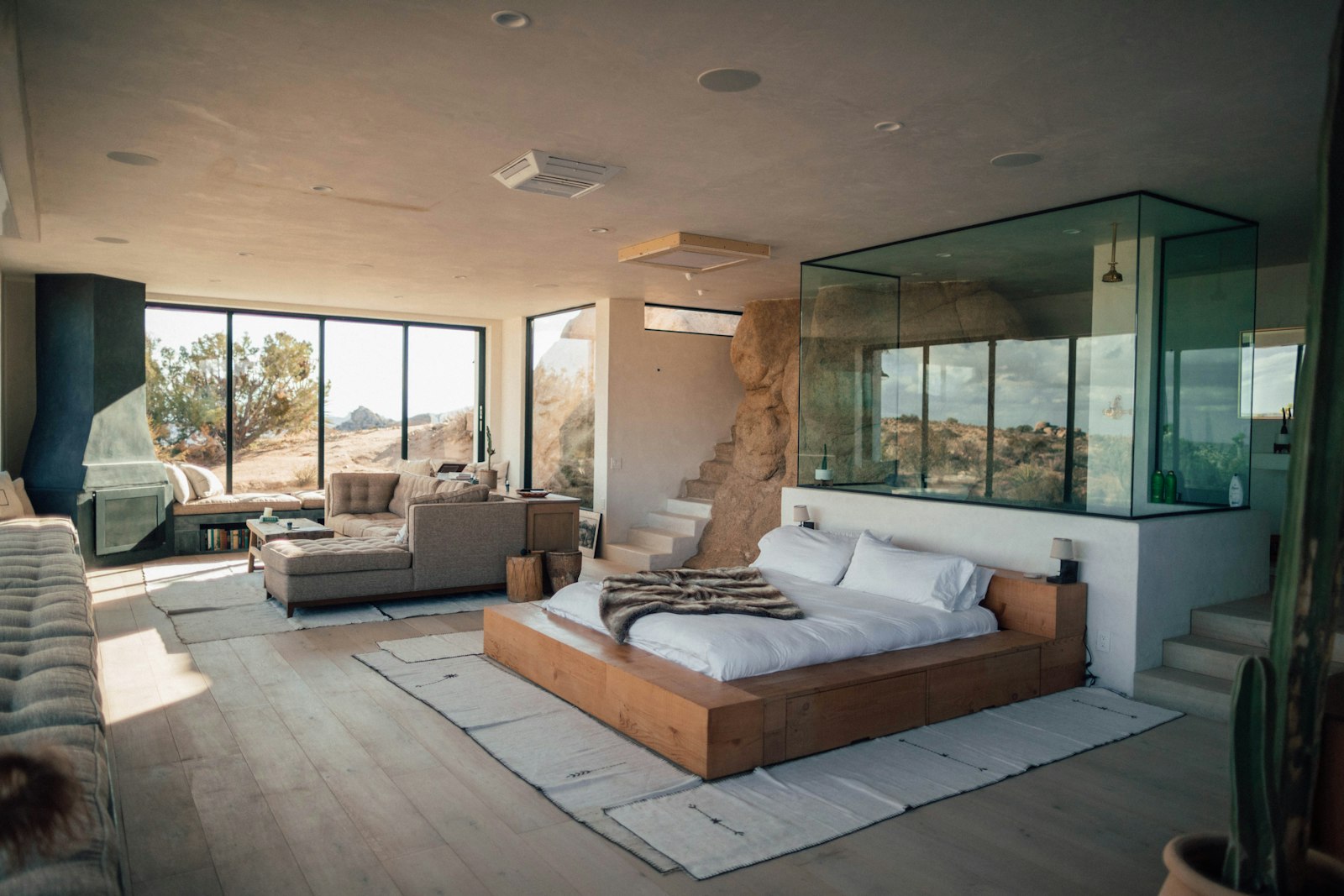
A good host doesn't greet you at the food. They greet you at the door, take your coat, walk you to the table, and by the time you sit down the evening already has a temperature to it. The meal began before the menu did.
Your website is the front door now. And most of them feel like being handed a laminated menu in a fluorescent waiting room.
Pre-load the feeling
The job of a hospitality site isn't to inform. It's to set a temperature. The colour, the pacing of the scroll, the music of the words — all of it should leak the feeling of the room before the guest is anywhere near it.
If the venue is a low-lit natural-wine bar, the site should feel low and warm, not bright and busy. If it's a sun-drenched coastal kitchen, the scroll should breathe. The medium has to match the moment you're selling.
The first taste a guest gets of your hospitality is your homepage, not your kitchen.
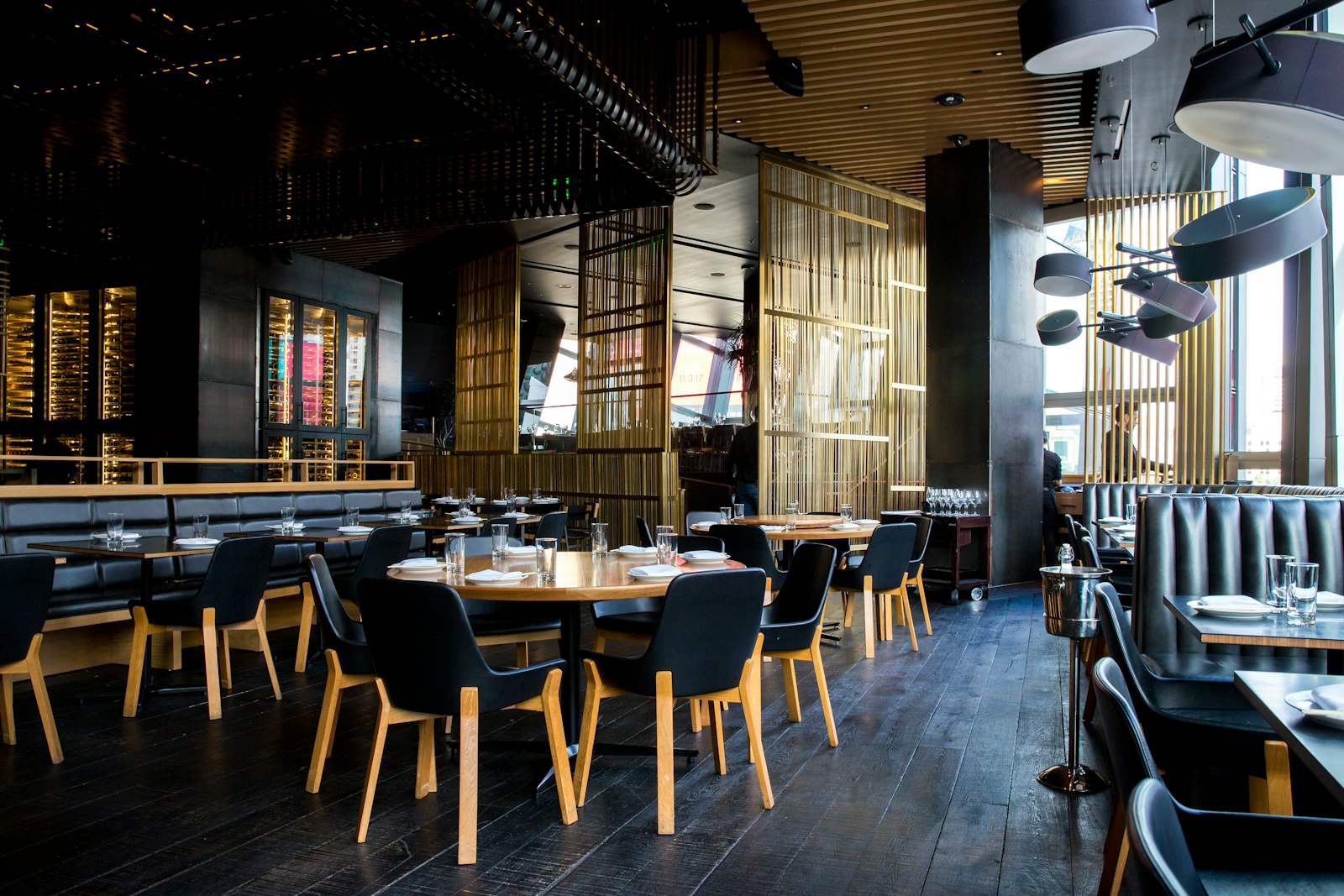
Hyper-local is part of the place setting
Hyper-local storytelling has become one of the strongest branding moves in F&B — the neighbourhood, the supplier two streets over, the regulars. That story belongs on the site, not just on the chalkboard inside.
For a small Jakarta kitchen we worked with, the homepage opened on the morning market run before it ever showed a dish. By the time you reached the menu, you already trusted the kitchen — because you'd watched it shop.
Set the table before they arrive. The guest who walks in already warmed up tips better, stays longer, and comes back. The evening you sell is the evening you start on the screen.