Sell the stay, not the room
Nobody lies awake dreaming about 32 square metres and a king bed. They dream about the morning the stay gives them.
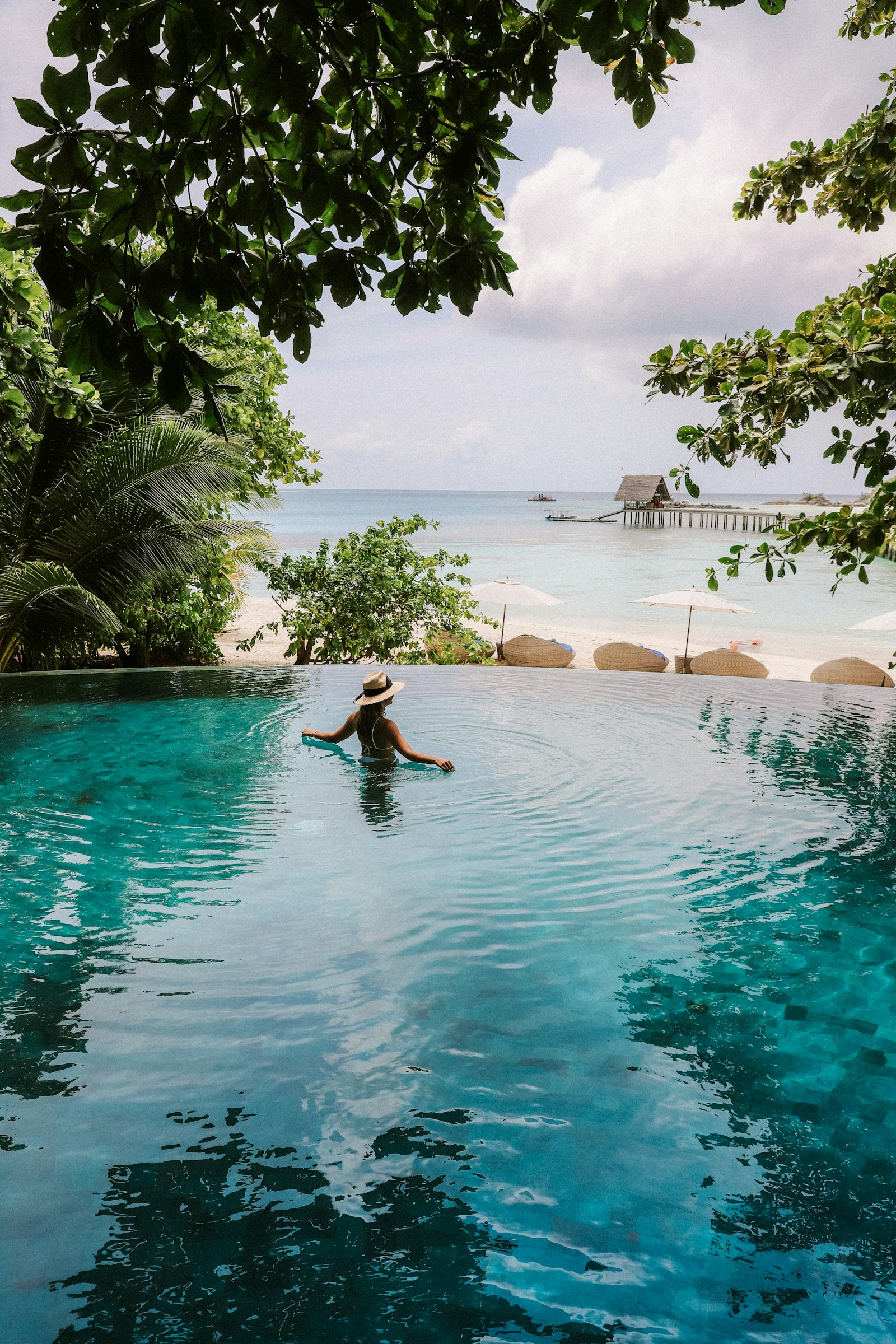
Most hotel pages read like a real-estate listing. Floor area. Bed configuration. A grid of amenity icons. All true, all forgettable. A guest doesn't fall asleep imagining 32 square metres — they imagine the morning the stay hands them.
The room is the proof, not the pitch
Specs answer questions a guest only asks after they already want to come. Lead with them and you've buried the want under a parts list. The pitch is the slow coffee on a balcony before the city wakes; the walk to the beach club that's somehow always empty at that hour; the bath you actually have time to take. The room is just where those things happen.
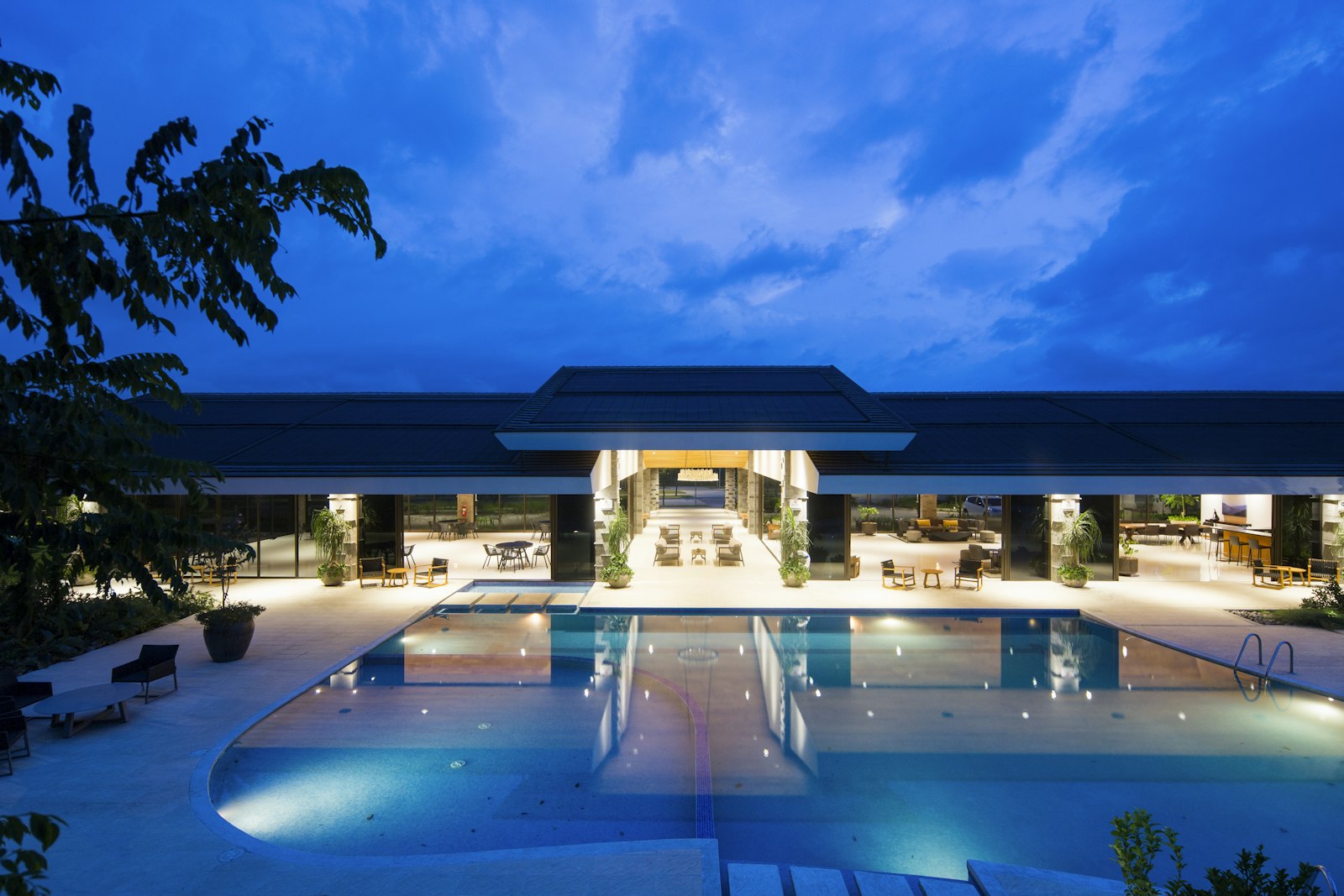
This isn't fluff over substance. It's putting substance in the order that moves people. Sell the feeling, then let the king bed and the rainfall shower confirm it.
Let desire and detail sit together
Guests don't book a room. They book the version of themselves they'll be inside it.
The mistake is treating it as either/or — a moody hero film or a tidy spec table. The good version sequences them. A scene that earns the desire, then, right under it, the honest details that let someone commit: the rate, what's included, the reserve button.
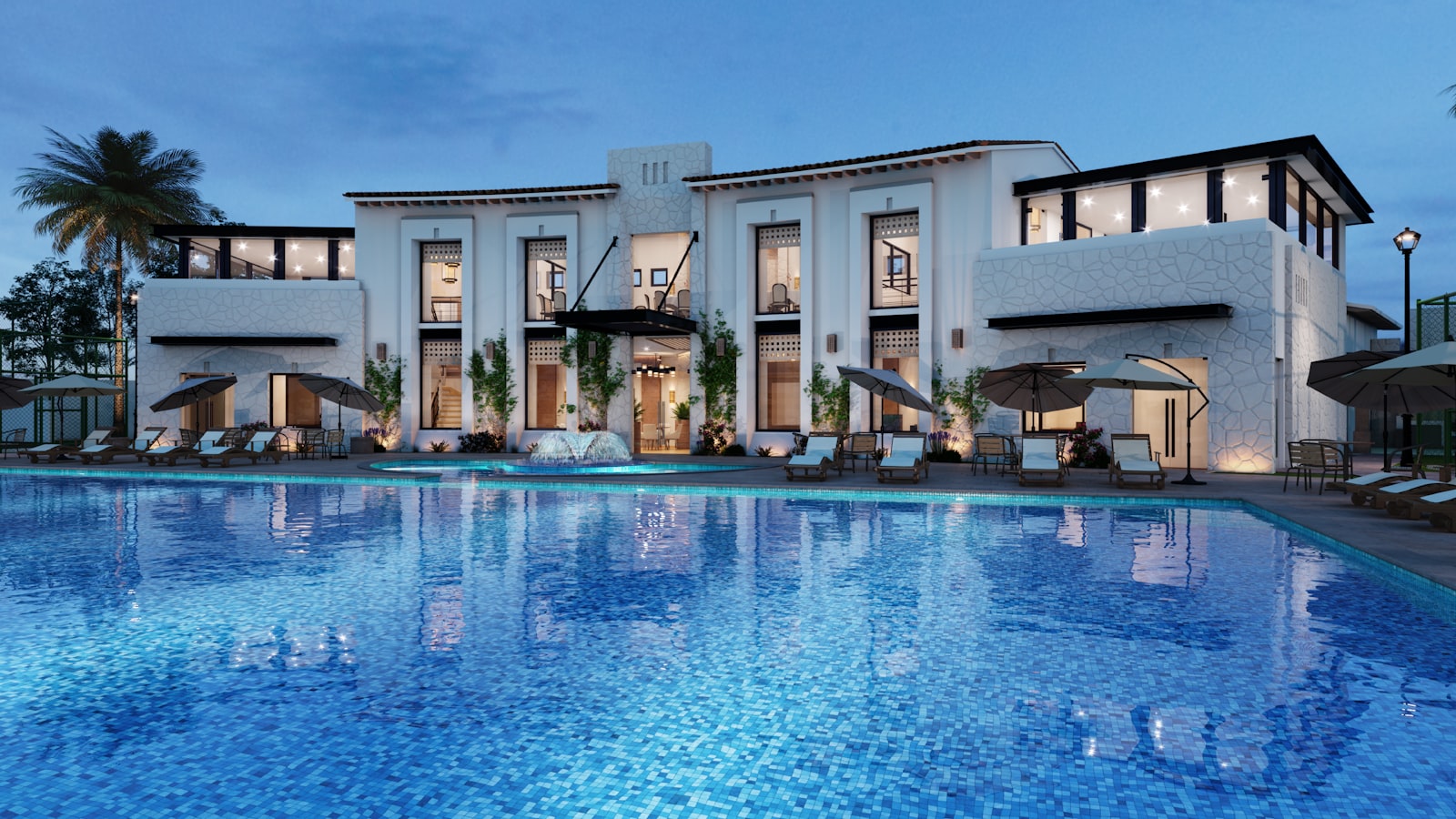
For a hospitality brand, the website is the first night of the stay, before anyone arrives. The brochure was never the problem. Leading with it was.
So write the page the way a guest experiences the place: the stay first, the room second. One sells. The other reassures the person who's already sold.