Scrollytelling is a craft, not a gimmick
Scroll used to be a gimmick — things flew in, you got a headache, you left. The studios doing it well now treat the scrollbar like an editor treats a timeline.
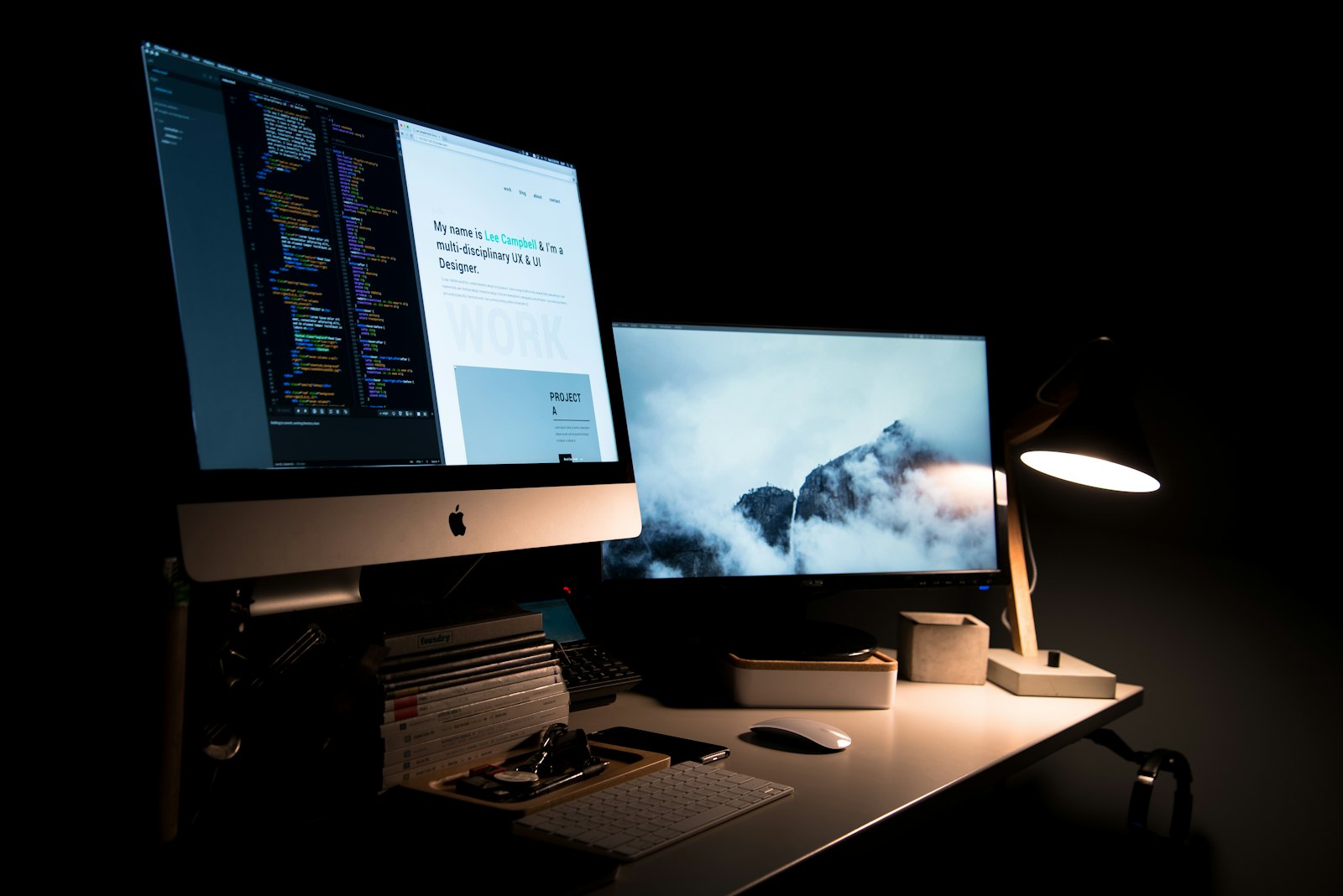
There was a stretch where scroll meant trouble. Elements flew in from four directions, a counter spun for no reason, and the page fought your thumb the whole way down. People called it scrollytelling. It was mostly noise.
The work has matured since. The studios doing it well no longer ask what can we make move? They ask what does the visitor need to understand next, and when?
Scroll is a timeline
The shift is to treat the scrollbar the way a film editor treats a timeline. Each scroll increment is a cut. You decide the order of reveals, how long a beat holds, and what the eye rests on before the next idea arrives.
Pacing is the whole craft. Anyone can make a thing move; few decide when it should be still.
Nike and Ralph Lauren both lean on scroll-triggered micro-animation, and the telling detail is how little it costs them — the motion is sequenced, not piled on, so performance never buckles. The effect reads as confidence, not effort.
Restraint is the tell
For a resort we worked on, the temptation was to animate everything — the pool, the suites, the sunset gradient. We animated almost nothing. The hero held still, then a single villa slid into frame as you scrolled, then the booking action arrived exactly where the desire peaked.
The restraint is what made it feel expensive. A reveal only lands if the things around it stay quiet.

Good scrollytelling is invisible as technique and obvious as feeling. You don't notice the timeline. You just arrive at the bottom having understood the place — which, for a hotel or a residence, is the only thing the page was ever for.