Your resort is a place, so stop listing it like a directory
Guests don't book a column of amenities — they book a feeling of place. An interactive map gives them that before they ever arrive.
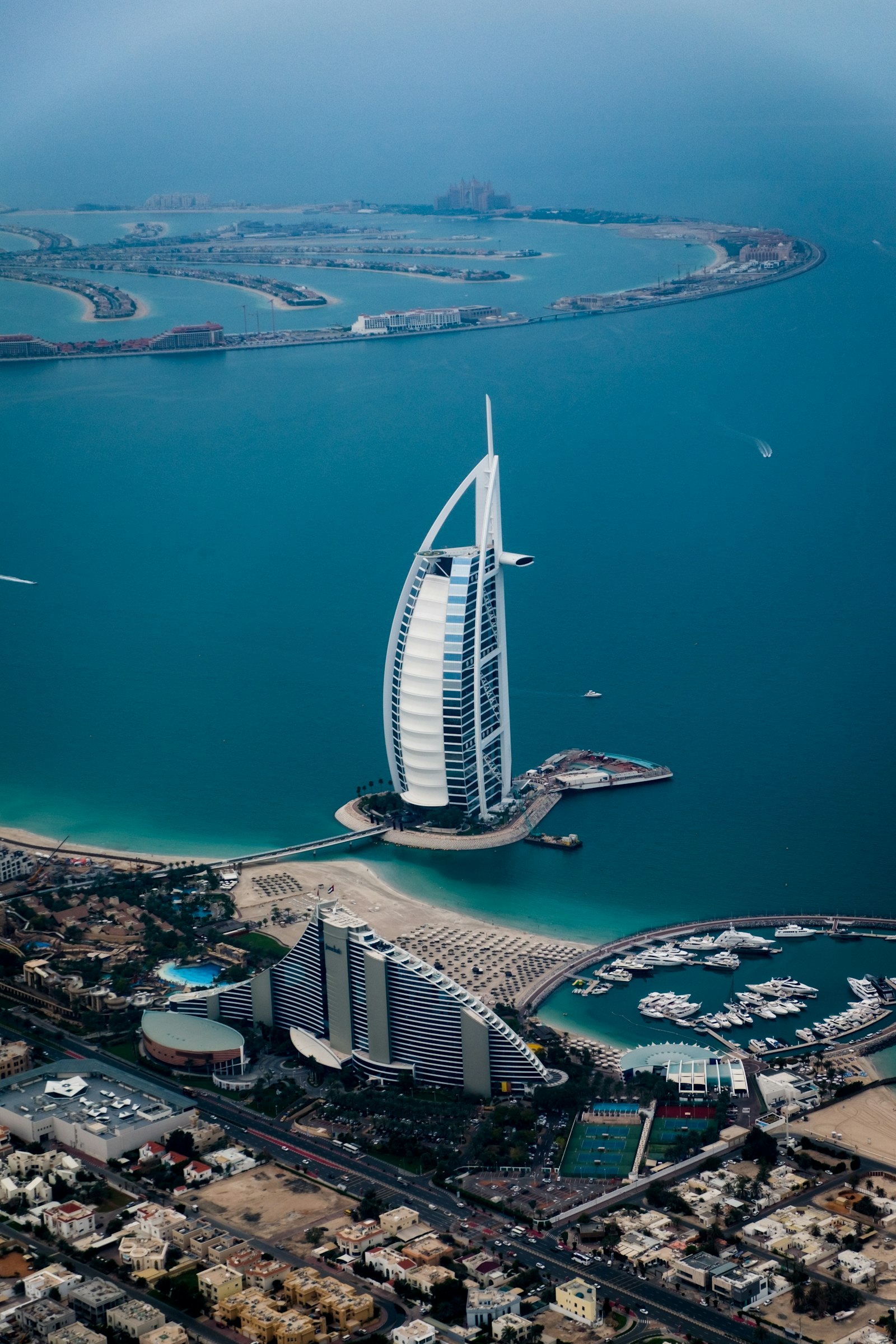
A villa, three restaurants, a spa, a beach club, a garden. Set down as a list, they're five bullet points a guest skims and forgets. Drawn as a map, they're a day someone can already picture themselves inside.
A list asks the guest to do the imagining
A bulleted page hands over a pile of facts and quietly asks the visitor to assemble the experience in their own head. Most won't. They'll skim, half-build the place from a hero photo, and leave before the one thing that makes them book ever lands — a feel for how it all fits together.
That gap is expensive. It's also invisible, which is worse: you never see the guest who left because they couldn't picture the walk from the room to the water.
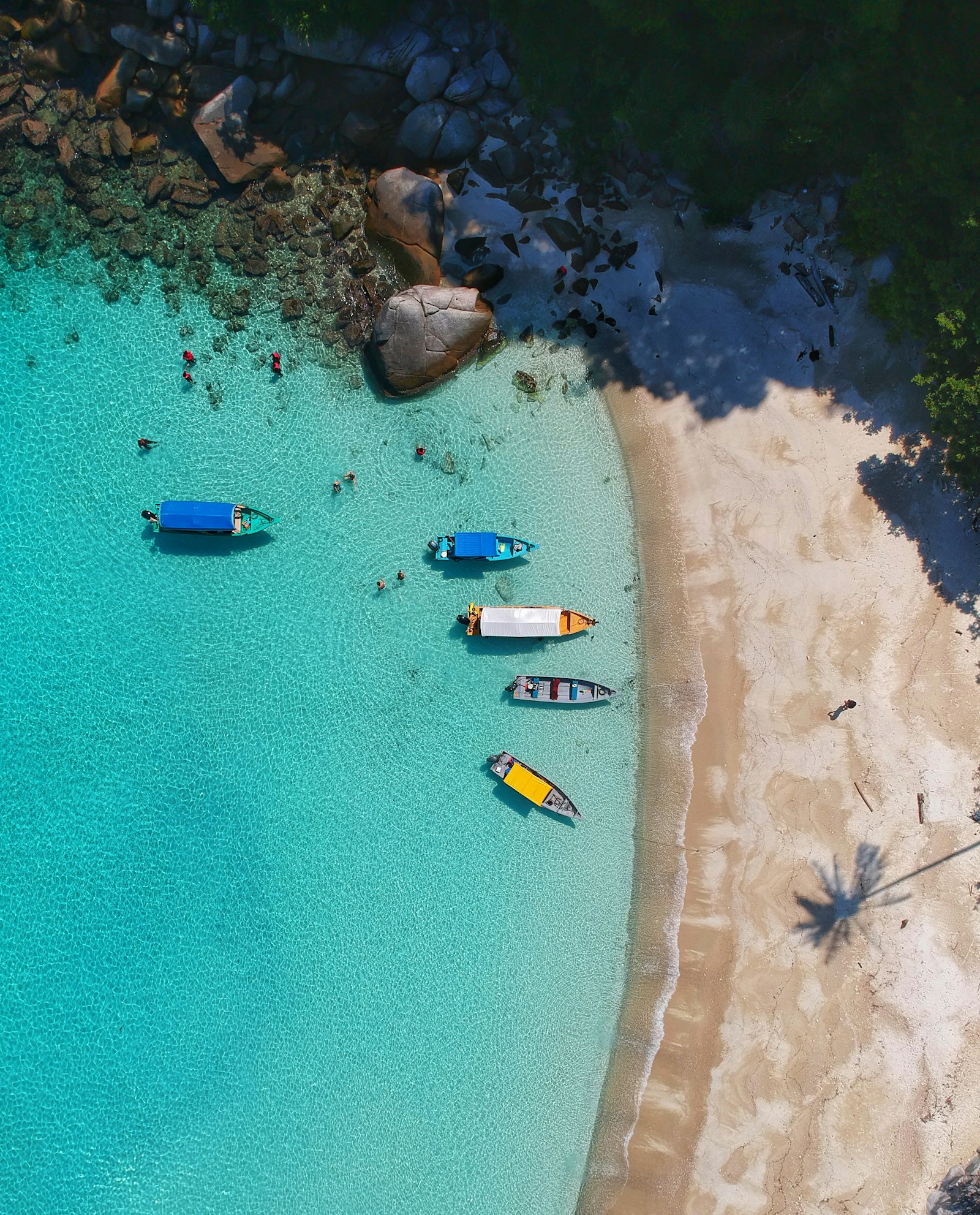
A map does the imagining for them
Pin the villas, the water, the paths between them. Let a tap open capacity, rate, and a reserve button right where curiosity lands. Now the guest isn't reading a property — they're exploring one, on their phone, at their own pace.
The fastest way to sell a place is to let someone walk through it first.
It's also how the questions stop. When the layout is something a guest can read at a glance, your team stops fielding the same where is it, how far, what's next to what on every enquiry. The map answered it before the call.
That's the whole shift — from a page that lists what you have to a place a guest moves through. One exists. The other is experienced.