Why interactive catalogs convert better than static PDFs
A PDF is a document guests download and forget. An interactive catalog is a place they explore — and the difference shows up where it matters, in bookings.
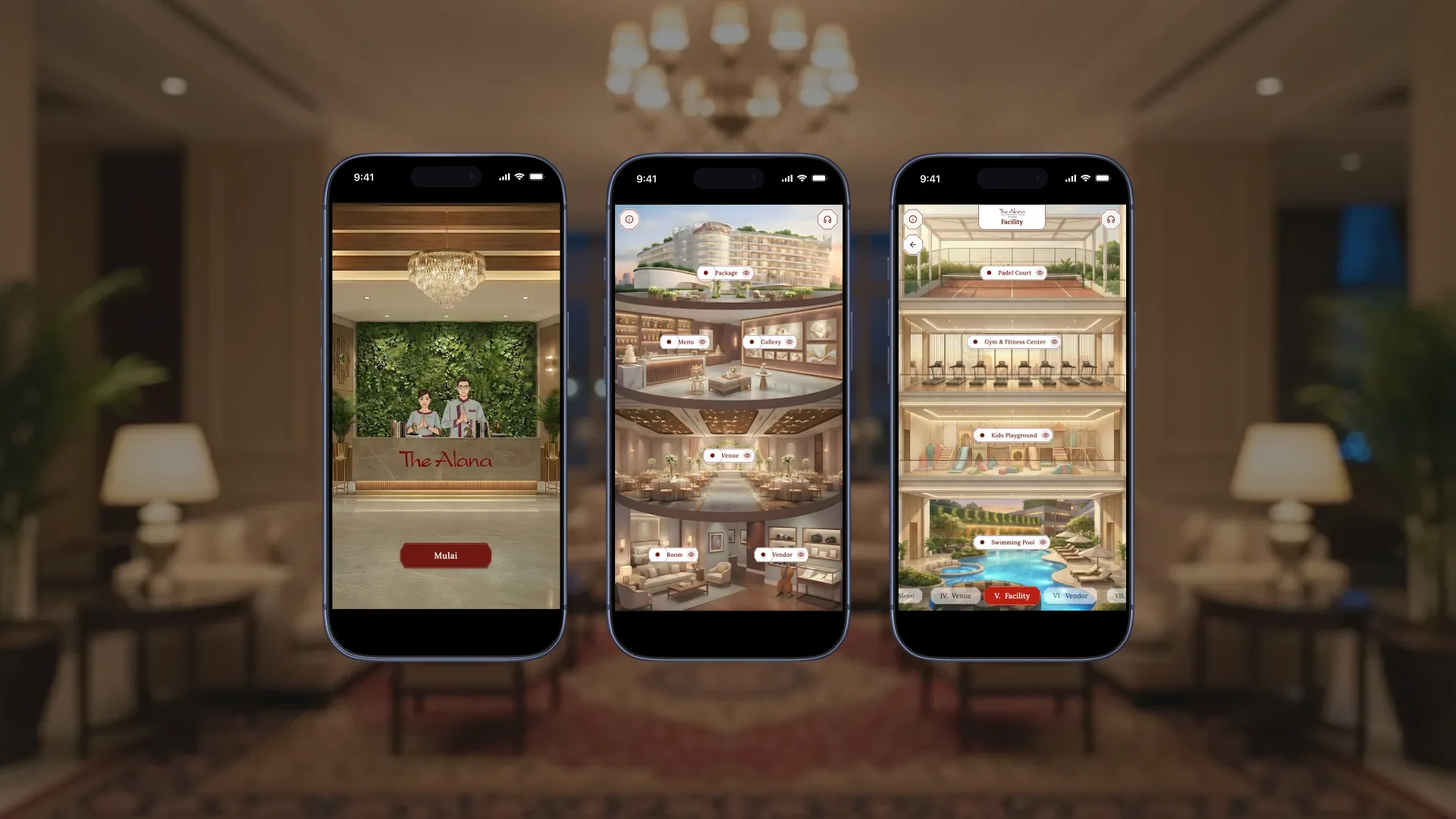
A hospitality brand sends two things to a curious guest. A PDF brochure, or a link. One gets downloaded into a folder no one opens again. The other gets explored, shared, and remembered. For brands selling a feeling — a stay, a room, an evening — that gap decides who books.
A PDF ends the conversation. A catalog continues it.
A static PDF is a finished object. It loads, the guest scrolls, and then it sits in a downloads folder until it's deleted. There's no path from "this looks nice" to "I want to be here." The moment of interest and the moment of action live on two different surfaces, and most people never bridge them.
An interactive catalog keeps everything in one motion. A guest taps a room, sees the rate, checks a date, and reserves — without ever leaving the page that made them want it. You're not asking them to remember their interest and act on it later. You're letting them act while the interest is still warm.
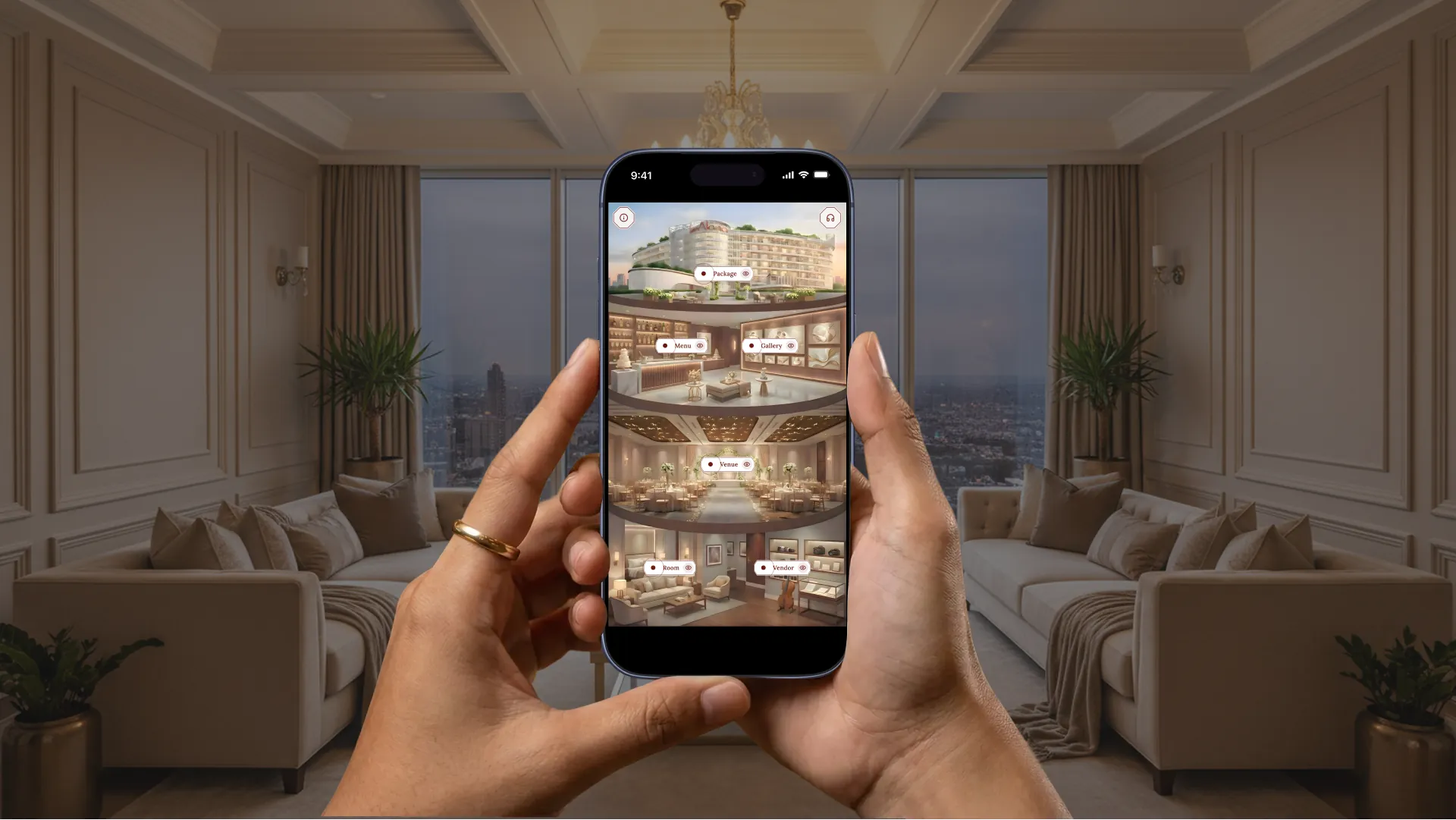
Static documents inform. Interactive ones convince. Only one of them holds a button.
You learn nothing from a download
A PDF tells you it was opened, at best. It never tells you which suite they lingered on, which package they tapped twice, where they hesitated. An interactive catalog is alive: every tap is a signal you can read and design around. Over a season, that's not analytics for its own sake — it's a map of what your guests actually want, drawn by the guests themselves.
That's the real shift for hospitality brands. A brochure is something you produce once and hope lands. A catalog is something that gets sharper the more it's used — and quietly does the selling that a flat document never could.