Hyper-local is the new luxury for F&B
The most luxurious thing a restaurant can say in 2026 is not "world-class." It is the name of the street it stands on, and why that street matters.
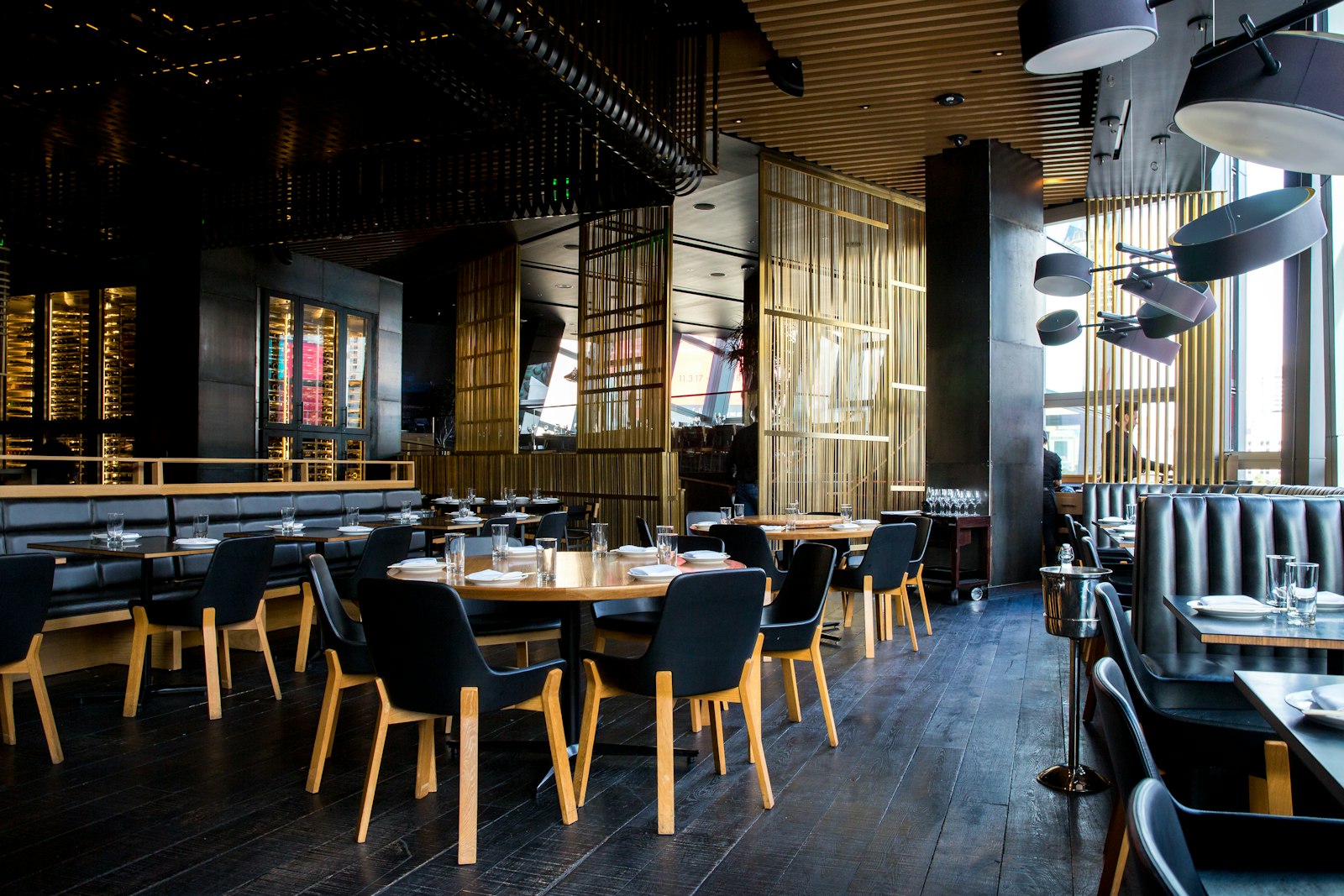
Every city now has its imported luxury: the same marble, the same omakase counter, the same Negroni in the same coupe. It travels well and it bores fast. The room that people actually talk about is the one that could only exist where it is.
Generic scales. Place doesn't.
Hyper-local storytelling has quietly become one of the strongest branding strategies in food and beverage — a narrative rooted in a specific neighbourhood, its history, its suppliers, its hours. You can franchise a concept. You cannot franchise the morning market three streets away, the family that's roasted coffee on that corner since the seventies, or the particular way the light falls into the dining room at six.
Anyone can be world-class. Only you can be from here.
The website is where the neighbourhood lives
A restaurant site too often flattens all of this into an address line and a reservation button. The hyper-local brand does the opposite: it makes the street part of the experience.
- The map that shows what's around, not just the pin.
- The supplier whose name appears with the dish.
- The story of the building before it was yours.
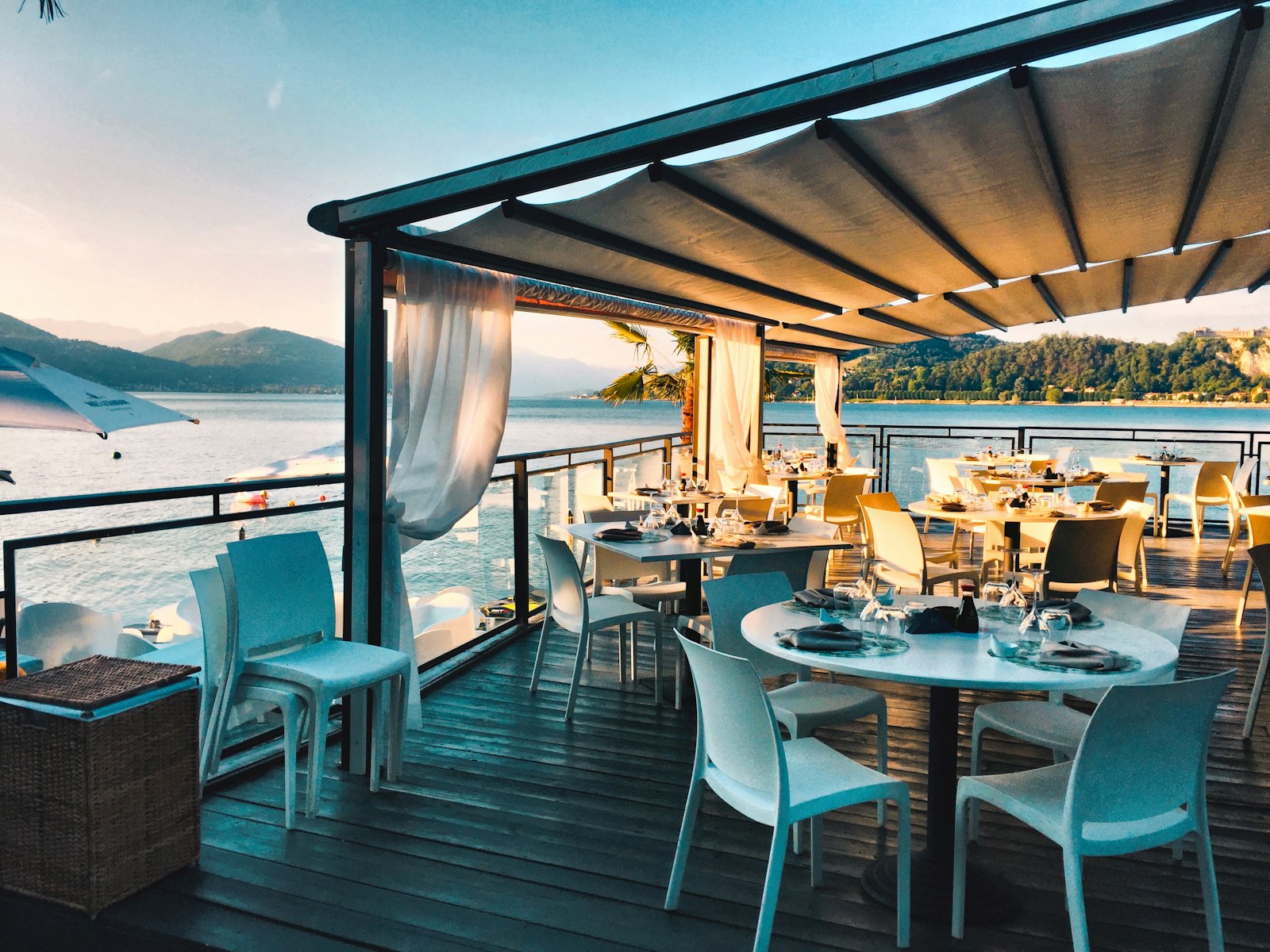
This isn't decoration. It's the part of the brand a competitor across town physically cannot copy.
The fastest way to feel interchangeable is to sound like you could be anywhere. The fastest way to feel rare is to be unmistakably, specifically, somewhere.